Media Based Aquaponics
What Is A Media Based Aquaponics System?
One aquaponics growing method popular with small-scale home growers is the media-based aquaponics method.The media based method system designs are simple, space-efficient, and have a low initial cost, making them a popular choice for do-it-yourselves and aquaponics beginners.
How Does a Media Based Aquaponics System Work?
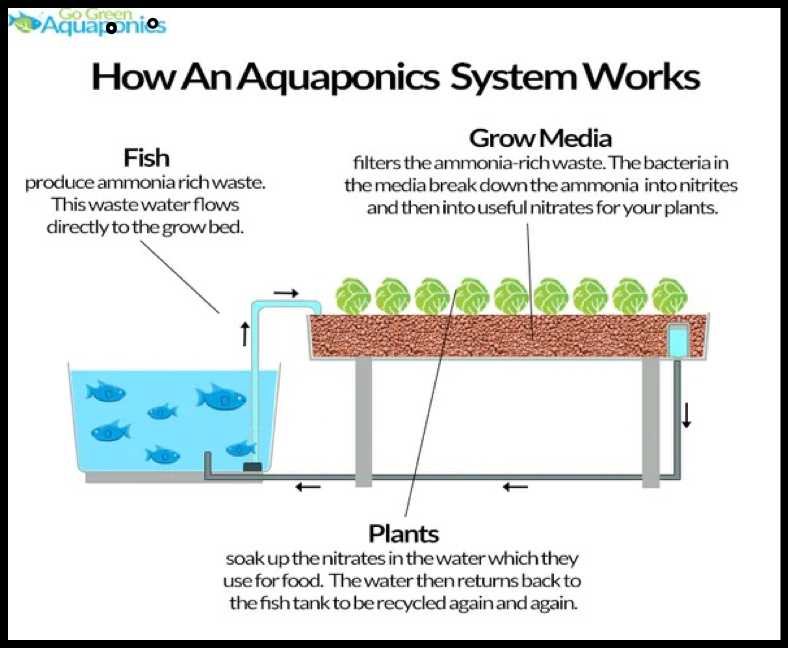
The media based, also called flood and drain, consists of a grow bed filled with grow media (expanded clay pebbles, gravel, lava rock) into which the vegetables are planted. The water from the fish tank is pumped into the grow beds so that plants can access the nutrients produced by the fish.
The plant roots which are grown in the grow bed have direct access to the water and feed on the nutrients to thrive. The roots also filter and clean the water before returning to the fish tank for the fish to live.
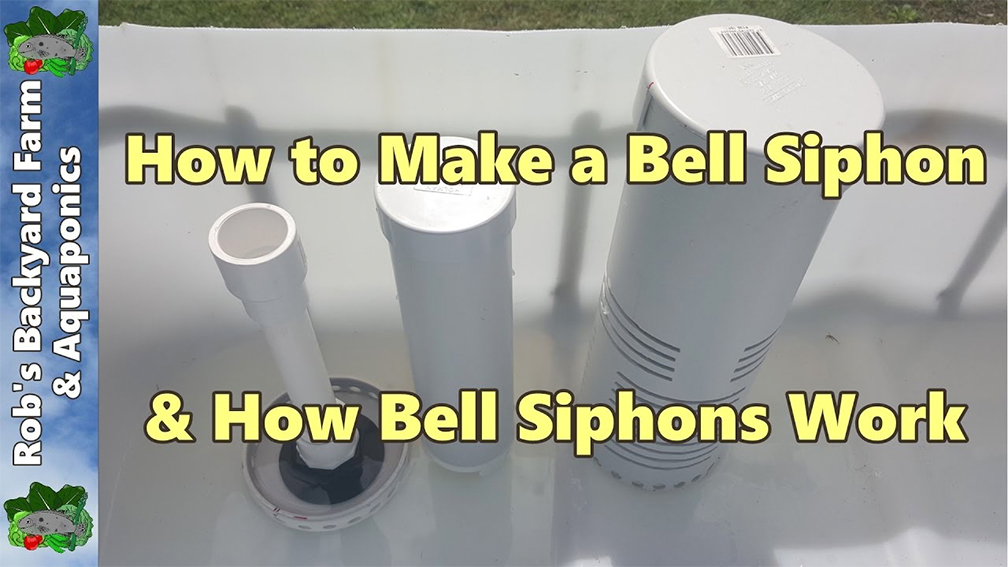
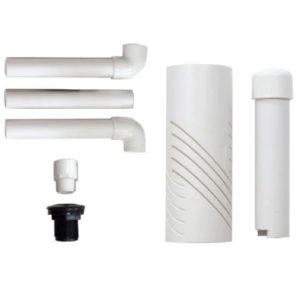
Some media based aquaponics systems are run by flooding and draining the grow beds, using a bell siphon to drain the water when it reaches a saturation point. Once the water reaches a certain level on the grow bed, the bell siphon will drain the water from the grow bed. This is a continuous regular cycle that provides all the necessary nutrients for the plants to grow without fertilizers. Other grow-bed irrigation methods use a constant water flow, either entering one side of the bed and exiting the other or distributed through a drip irrigation array.
Advantages And Disadvantages Of Media-Based System
Advantages
- Relatively simple and inexpensive
- Suitable for all kinds of plants, from leafy greens to larger fruiting plants
- Minimal cleaning is required.
- The media based setup can be customized to suit your needs
- Allows the use of recycled materials.
- Suitable for hobby applications, home gardens, and as smaller part of a large commercial farm.
- The media bed performs three filtering functions:
- Mechanical filtration (solids removal)
- Mineralization (solids breakdown)
- Biofiltration
Disadvantages
- A good-quality medium can be relatively expensive.
- The pore spaces in the medium may get clogged over time, causing poor anaerobic conditions for your plants.
- It can require cleaning of the grow bed.
- This style system is not usually suitable for commercial purposes due to lower productivity and difficulty in a large-scale implementation.
- The media beds are heavy and need a robust and rigid structure.
Components of a Media Based Aquaponics System
These are the essential criteria for the materials that will be used in the media-based system.
- Grow media must have a large surface area for bacterial growth.
- Materials must be neutral pH and inert (non-toxic).
- Must have good drainage properties.
- Easy to work with.
- Durable and cost-effective.
- Lightweight
Media based systems require the usual components like fish tanks , water pumps, plumping pipes and hoses etc along with a Grow Bed which houses the growing medium , a bell siphon , plants and altogether acts as the mechanical and biological filter .
Grow Bed
One of the most critical components in the media bed system is the grow bed. The grow bed is where you grow your plants, so make sure your grow bed is:
- made of food-grade materials that will not leak unwanted chemicals into the water or affect the water pH.
- Strong enough to hold the water and growing media.
- Able to withstand different weather conditions.
- It can be connected to other components easily through simple plumbing parts.
- It can be placed near the other components.
Shape: The standard shape for a media bed is a rectangle. Large grow beds can be used, but they require support to hold their weight. However, the grow beds should not be so wide that the farmer/ operator cannot reach across, at least halfway.
Depth and Size :A media based grow bed needs to have the correct depth and size related to the fish volume and provide adequate filtration for the nutrient-rich water. The grow bed depth is necessary because it determines what types of vegetables can be grown. Grow beds should be about 12 inches in depth to optimize plant growth and cultivate beneficial ecosystems in the bed.
When selecting your grow bed, the rule of thumb is to use a 1:1 ratio of your grow bed to the fish tank in small systems. This means that the grow bed volume should equal the fish tank volume. This is not a hard rule, but a good rule to follow when starting.
Grow Media
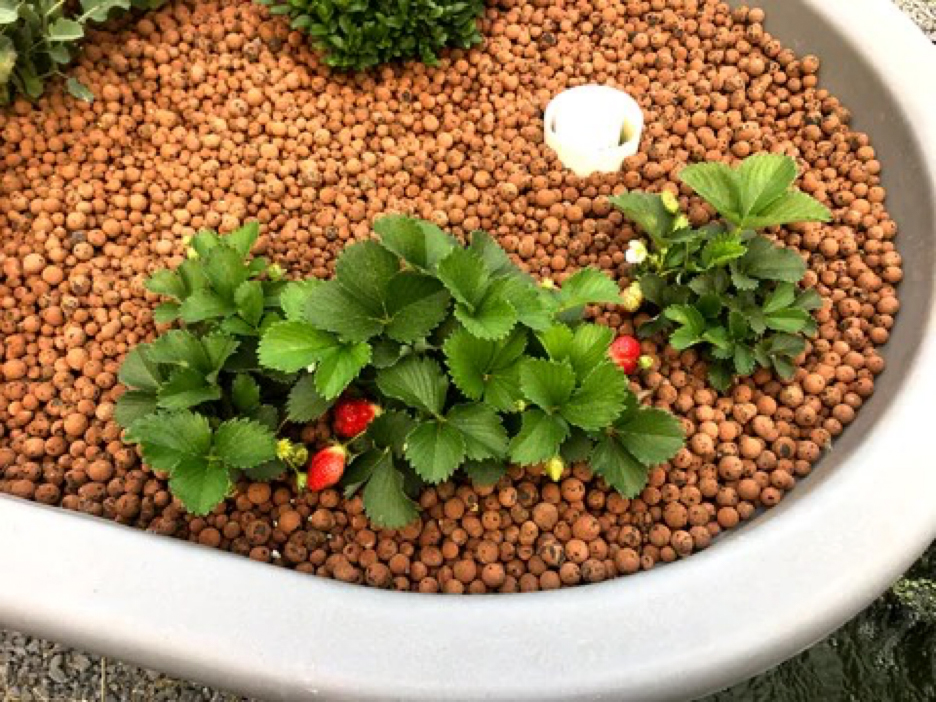
Many materials can be used as grow media in a media based system. However, the media must be organic and have an adequate surface area to allow bacteria to grow and water flow to the plants’ roots. The medium must have a neutral pH so that the water quality will not be affected. It is also good to wash the media thoroughly before placing it into your grow bed to ensure that any dangerous particles that might harm the fish are removed.
- Grave– lt is the least expensive and most readily available grow medium ¾” gravel is best for supporting taller plants, and it doesn’t get clogged like smaller pea gravel. A drawback of using gravel is that it is heavy and does not hold water efficiently and it can sometimes be more challenging to colonize the needed bacteria in your system.
- Clay pebbles– LECA (Lightweight Expanded Clay Aggregate) are balls of clay processed at a very high temperature to form a highly effective growing medium. Clay pebbles are lightweight enough to move around when planting easily and heavy enough to provide adequate support for small to medium plants. They are also non-degradable, non-toxic, and pH neutral. Clay pebbles are more expensive compared to the other mediums, but because it is reusable, lightweight, and pH neutral, clay pebbles are an investment that will last for many years.
- Lava Rock– The naturally created lava rock cools rapidly, which gives no time for the air to escape, effectively trapping it. This trapped air creates a highly porous surface, increasing the area of the rock and creating plenty of openings for the nitrifying bacteria to live. Lava rock is light and has a neutral pH so that it won’t affect the balance of your system. Lava rock can be sharp, though, so you will want to use it with caution.
Bell Siphon
A bell siphon is an essential component of a media based aquaponics system. It is responsible for regulating the entire system’s water flow and efficiently helping move the water from the media bed into the fish tank.
The Three Zones Of Media-Based Aquaponics System
There are three grow bed zones in the media based aquaponics system, and each zone has different functions in the system.
- Zone 1
The Surface or Dry Zone. This area is within the grow bed’s first 1- 2″ (5cm). This area is called the dry zone and functions as a light barrier, preventing the light from hitting the water directly, leading to algae growth. The beneficial bacteria are sensitive to direct sunlight, and this zone also helps minimize evaporation from the beds by covering the wet zone from the direct light.
- Zone 2
The root zone. This is where the plant roots grow and where all plant activity occurs. Zone 2 is around the 4 – 6″ (10-15cm) area of the grow bed and is the area that is regularly flooded and drained.
For the flood and drain cycle, the incoming water helps spread moisture, nutrients, and incoming solid fish waste particles into the area. When it’s time for the flood and drain cycle, the drain parts allow the water to drain away completely. This draining allows for the efficient delivery of the oxygen-rich air into the plant’s root area.
If not using a flood and drain technique, this zone is where the water flows through the medium. In this zone, the worms break down and minimize solid waste, releasing nutrients throughout the system.
- Zone 3
The solid collection and mineralization zone.This is the last zone in the last 2″ (5cm) of the grow bed that remains permanently wet. In this zone, the small solid wastes accumulate, so the most active organisms in mineralization are located here. These organisms break down the waste into smaller fractions and molecules that the plants can absorb through mineralization.
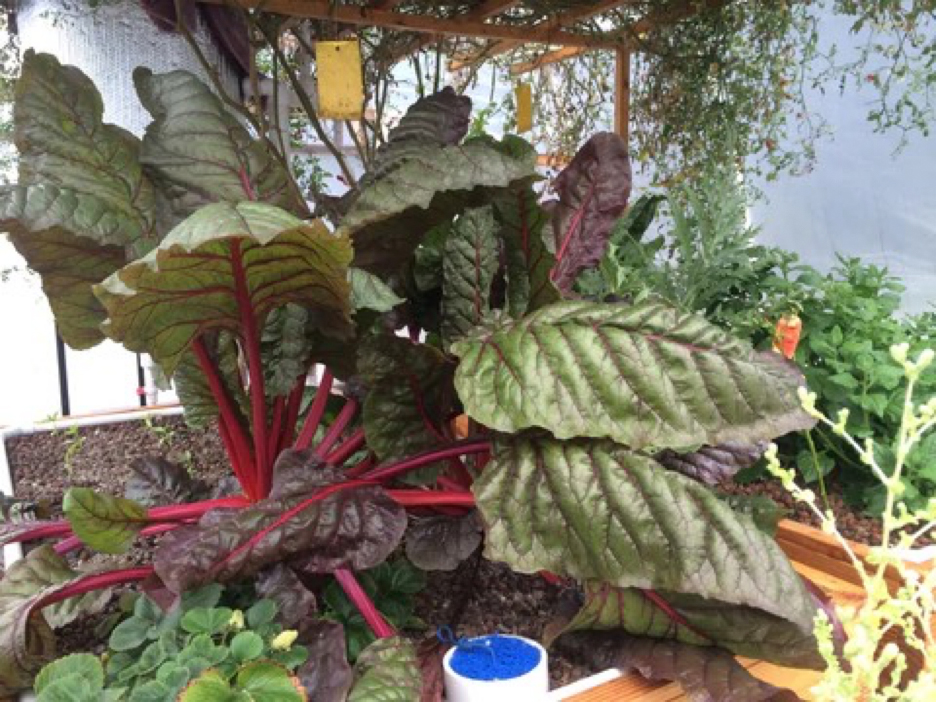
The Best Plants To Grow In Media Based Aquaponics System
In media based aquaponics, it is possible to grow leafy greens, herbs, and fruiting vegetables at the same time, as long as the grow beds are at the correct depth. Various options with their nutrient requirements are as follows
- Low-nutrient-demand plants include leafy greens and herbs like chard, lettuce, basil, mint, chives, parsley, coriander, watercress, and legumes such as peas and beans.
- Medium-nutrient demand plants are cabbage, kale, cauliflower, broccoli, onions, carrots, and taro.
- High-nutrient-demand plants, also called nutrient hungry plants, are tomatoes, eggplants, cucumbers, strawberries, and peppers.
A media based system can also benefit from mixed planting with better space management because shade-tolerant species can grow underneath taller plants. Large bulb and root crops, such as ginger, carrots, and turnips, are best grown in a media based aquaponics system because the grow bed and grow media provide an excellent growing environment and adequate plant support.