Commonly Used Terms
Definitions of Aquaponic Terms
Acidic – having a system pH of less than 7.
Aerobic – having abundant air/oxygen.
Ammonia – A compound of Nitrogen which is broken down by bacteria in an aquaponics system into plant fertilizer.
Anaerobic – A condition caused by the lack of oxygen in the system.
Aquaponics – A combination of aquaculture (farming fish) and hydroponics (growing plants in nutrient water solution).
Bacteria – The third component of aquaponics that is responsible for converting fish waste into nutrients for the plants to absorb.
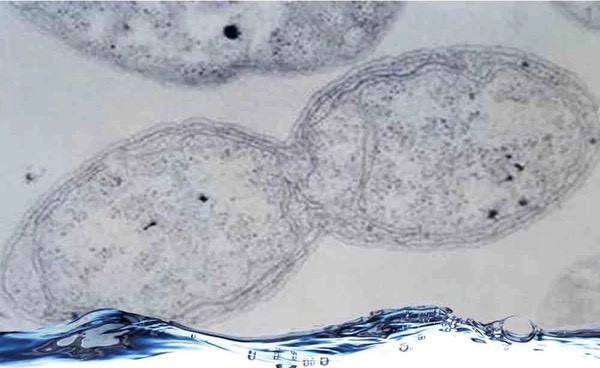
Bell Siphon – Also known as flood and drain, is used in ebb and flow aquaponics media based systems to regulate the flow of water. In an ebb and flow system, water is pumped into the grow bed. At a specific point (usually 2 inches below the surface), the water drains via the bell siphon. When the water reaches the bottom, you will hear the classic gurgle showing the end of the drain phase. The process will then repeat itself repeatedly.
Biofilter – A place for the bacteria to colonize. The water from the fish tank runs through the biofilter, where the ammonia is converted to nitrite and then into nitrate. It is usually a canister, tank or barrel that holds a heavily aerated porous media.
Biomass – The total weight or amount of plants or animals in the aquaponics system.
Chift Pist – Constant height in the fish tank–pump in the sump tank.
Deep Water Culture (DWC) – also known as the floating system or raft method, is an aquaponics method of plant production where the plants are grown on rafts (polystyrene or foam boards) that float on top of the water in the raft bed.
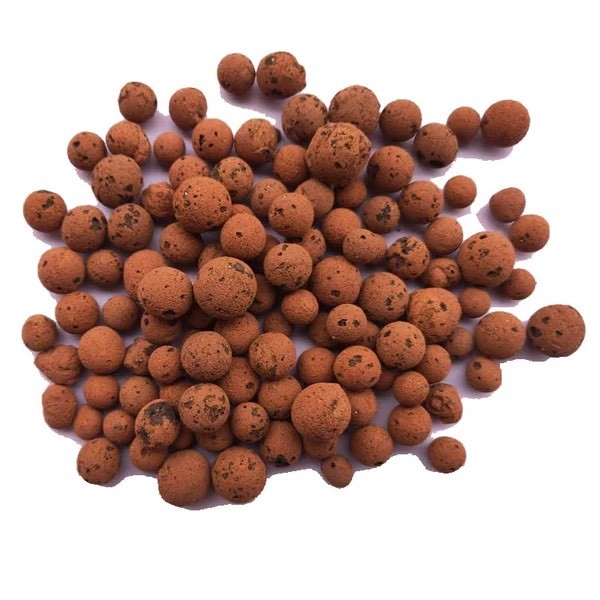
Expanded clay – Grow media that is fired into a kiln that expands into porous clay balls.
Flow Rate – How much water a pump puts out per minute, specified in gallons per minute (GPM), or liters per minute (LPM) or the rate of flow in a pipe/channel.
Grow Bed – A suitable container where the plants grow in the aquaponics system.
Grow Light – also called “plant light” is an artificial source of light designed to stimulate plant growth by emitting light suitable for photosynthesis.

Grow Media – Grow media is a soil replacement used in aquaponics gardening. Examples of grow media are clay pebbles (LECA), Lava rocks, expanded shale, and gravel.
Media Based Aquaponics System –A media-based aquaponics system is the growing of plants in a large container that is filled with grow media which is usually either gravel or clay pellets and is where plants are grown.
Nitrobacter –Bacteria that convert nitrites into nitrates and play an important role in the nitrogen cycle by oxidizing nitrite into nitrate in soil and aquaponics system.
Nitrosonomas – A rod-shaped chemoautotrophic bacteria thatconvert the ammonia into nitrites. They make nitrogen more available to the plants by naturally processing the fish waste.
NFT (Nutrient Film Technique) – is a method of aquaponics in which the plants are grown in a long narrow channel or pipes .
Tank – a container where the fish and water are kept.

Nitrites – A nitrogen-bearing chemical compound that is the source of food for the Nitrobacter and a product of Nitrosomonas.
Raft – A planting medium that floats over water channels, and the plants are grown on top of the raft with their roots dangling in the nutrient-rich water below.
Recirculating System – A system in which the water is never diverted from the system but is recycled, recaptured, and then reused again.
Sump Tank – A tank at the lowest part of the system. Used when the water flows by gravity and is then returned by a pump. Sump tanks keep the fish tank water level stable.
System Cycling – refers to the process of establishing a healthy bacteria colony within a new system.