NFT Aquaponics
What is the Nutrient Film Technique (NFT) in Aquaponics?
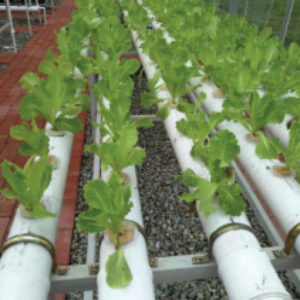
What is the Nutrient Film Technique?
The Nutrient Film Technique (NFT) is a hydroponic growing technique adapted to aquaponics because of its simple yet effective design that works well in some environments. This method uses horizontal pipes (usually PVC pipes) with shallow streams of nutrient-rich water flowing through them. Plants are placed in the holes in the top of the pipes and can utilize this thin film of nutrient-rich water.
The Nutrient Film Technique systems are primarily used in cultivating greens that have small root systems. This technique is also more useful in urban places where space and food production are considerations.
How Does Nutrient Film Technique Work?
In the NFT aquaponics system, the water is pumped from the biofilter into the grow pipes with a small equal flow that creates a shallow stream of nutrient-rich water flowing along the bottom. The grow pipes contain holes along the top of the pipe into which the plants are placed. Upon exiting the grow pipes, the water flows back into the fish tank. As plants consume the nutrient-rich water, they begin to develop root systems inside the grow pipes. The roots also clean and filter the water before it flows back into the fish tank. The water that enters the fish tank causes the tank to overflow through the exit pipe and back into the mechanical filter, completing the cycle.
Unlike the media based system, the Nutrient Film technique does not require a flood period because the water in NFT flows consistently from the fish tank.
Mechanical and Biological Filtration In NFT
In NFT systems, mechanical and biological filtration is essential because it does not have enough surface area to provide a habitat for the bacteria. Therefore, mechanical and biological filters must be constructed to serve as a physical trap to catch solid wastes and natural filters for nitrification.
The biofilter is usually a tank or barrel that holds a porous medium that is heavily aerated and should be situated after the fish tank and solid filter before the water returns to the plant’s channels.
The water travels from the fish tank — solid filter — biofilter — NFT channels — fish tank.
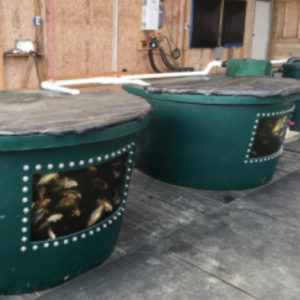
Components of NFT
NFT systems require the usual components like fish tanks, water pumps, filtration tanks, plumping pipes and hoses etc along with Grow Pipes which house the net pots, grow medium, and plants.
Grow Pipes
Following the filtration methods mentioned above, NFT uses plastic pipes (usually PVC pipes) laid out horizontally to grow plants using the water in the aquaponics system. The pipes can be arranged in different patterns in walls, fences, and overhanging balconies.
• Grow Pipe Shapes and Sizes
In NFT, most aquaponics farmers use round pipes because it is readily available in most locations. It is advisable to choose a pipe with the optimum diameter for the types of plants grown. For larger fruiting plants, use an 11 cm diameter grow pipe, while for fast-growing leafy green and small vegetables with small root mass, use a 7.5 cm diameter grow pipe.
• Planting in the Grow Pipes
When planting in an NFT system, holes are drilled into the grow pipes (7-9 cm diameter), and these holes should match the size of the net cups used. There should be at least 21 cm between the center of each plant to allow adequate plant space. The seedlings are placed in a plastic net cup and then in the grow pipe’s hole.
The net cups will provide support to the plants. Putting a space of about 8 inches between each plant is recommended to give enough room for the plants to grow. Grow media like clay pebbles or gravel can be placed around the seedlings in the net cups to balance and support the plants.”
Advantages and Disadvantages Of NFT
Advantages:
• Roots are highly oxygenated: The roots receive plenty of air because part of the root is exposed, which helps prevent root rot.
• Constant Flow of Water: The continuous flow of water in the system helps prevent the buildup of solids on the roots and ensures that the nutrient-rich water is always available for the plant, increasing their growth and health.
• Constant flow reduces fungal risk: The continuous movement of water helps reduce the risk of fungal growth.
Disadvantages:
• The roots can clog the channels: Roots dangling in the water are great for the plants’ health. However, as the plants grow, bigger roots can block the channels, preventing the water from getting to the rest of the plants, which may cause nutrient deficiency for the plants.
• Water temperature fluctuations: The water that is pumped through the channels can quickly cool down or heat. This is because the film of water running through the NFT channels is very thin and subject to temperature fluctuations.
• Pump failure can destroy yield: If the pump fails, plants cannot have access to the water and will wilt or die rapidly.
• Can only grow limited plants: Leafy greens and small vegetable plants do well in an NFT system, but larger plants with large root systems are not suited for NFT.
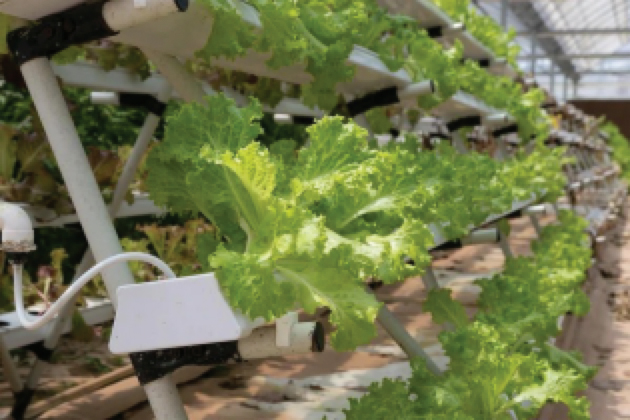
Plants To Grow In The Nutrient Film Technique
Many plants can be grown successfully in NFT systems, but plants with shallow roots are lightweight and fast-growing, require less care, and adapt more quickly to NFT systems plants. These plants include lettuce, chard, basil, mint, sage, and mustard. Choosing plants that grow the best in your system will help ensure the success of your system.
1. Some plants, like tomatoes, peppers, strawberries, and smaller varieties of eggplants, can also be grown in NFT systems, but they will require extra care and support.
2. Root vegetables or plants that grow tall, spread considerably, or produce heavy fruit should be avoided.
Nutrient Film Technique Tips
NFT aquaponics systems can also present some problems, like any other aquaponics system. However, with proper planning, regular monitoring, and good maintenance, these difficulties can be solved quickly. Here are some tips for managing your aquaponics system.
- When planning your NFT aquaponics system, consider how the setup will differ from other aquaponics systems. The shallow trays and the absence of growth media require proper planning to ensure success.
- The root temperature is hard to maintain without growing media, especially if your area is exposed to rapidly changing temperatures. You should regularly monitor your system’s temperature and ensure that the roots are not exposed to light to prevent algae growth in the system.
- Good maintenance is essential in NFT aquaponics systems. The two main components that should be checked regularly are;
1. The water pump: if the pump stops working, you could quickly lose your entire crop.
2. Clogging can also affect your system: The most common cause of a clog in NFT systems is the plant’s roots and too much solid waste.