Alternate Fish Food In aquaponics
What Should You Feed Your Fish in
Aquaponics
Feeding your fish with the right fish food will ensure that your system and the plants are healthy. The fish food that you should be using in aquaponics must provide 30-40% proteins and contains a good source of other essential nutrients, vitamins, and minerals. It is necessary to know that younger fish and fish living in colder waters require more protein and fat than the older fish or warm water fish.
You have the option to provide your fish with commercial fish food or homemade organic fish food. Commercial fish food is packed with nutrients that will help your fish stay healthy while feeding your fish with homemade organic fish food will ensure that your system and the plants in your system are organic.
Alternative Fish Food in Aquaponics
Commercially feed pellets are highly recommended for small-scale aquaponics systems, especially in new systems. Still, you can also choose to feed your fish with homemade organic fish foods if you want to lower the cost of maintaining your system, or ensure that the harvests you produce are organic. These are the alternative fish feed in aquaponics.
1. Duckweed
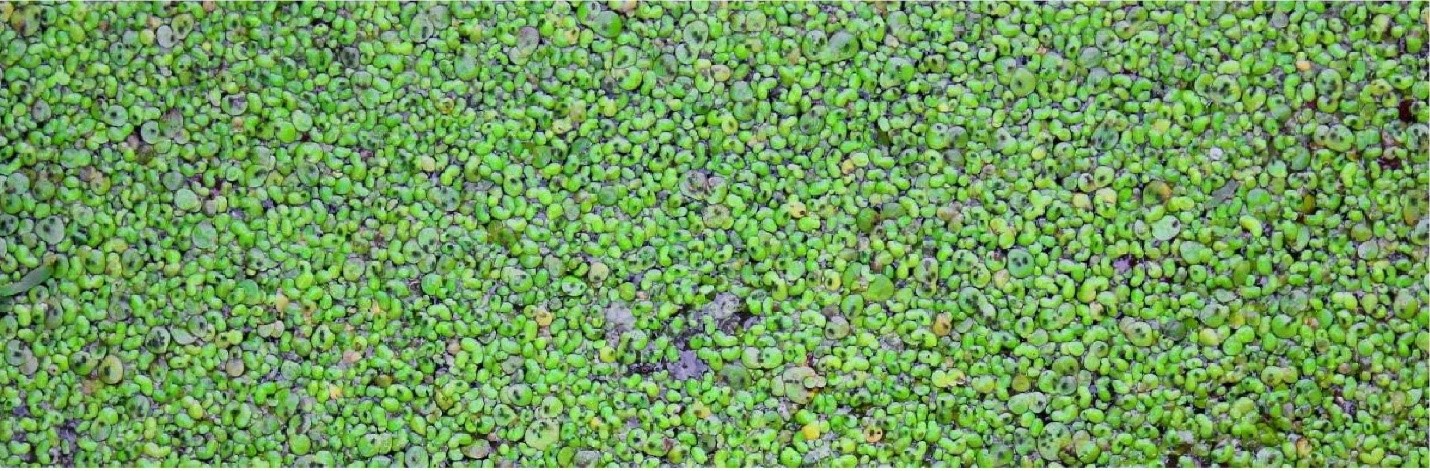
Duckweed is a fast-growing floating small aquatic plant that grows well in the nutrient-rich water in your aquaponics system. It is rich in protein & is extremely fast-growing & can double itself in just a few days. These fast-growing plants help create a healthy environment for the fish by utilizing excess nutrients in the fish tank, such as nitrogen & phosphorus. However, it should be grown in a separate tank because they grow fast in undisturbed & slightly shaded water. It makes an excellent alternative fish feed for tilapia, koi, perch & trout.
2. Azolla
Azolla is a water fern that grows floating on the surface of the water. Azolla fixes the atmospheric nitrogen and essentially creates proteins from the air. Azolla is also rich in protein and is grown in some aquaponics systems as an alternative fish feed. Azolla should be grown in a separate fish tank that is slightly shaded with slow water flow.

3. Insects and Worms
Insects and worms can be included as alternative fish feed in aquaponics because for centuries, they have been a natural source of food for fish and many other animals. Insects are a healthy nutrient source in aquaponics because they are rich in protein, lipids, and full of essential minerals.
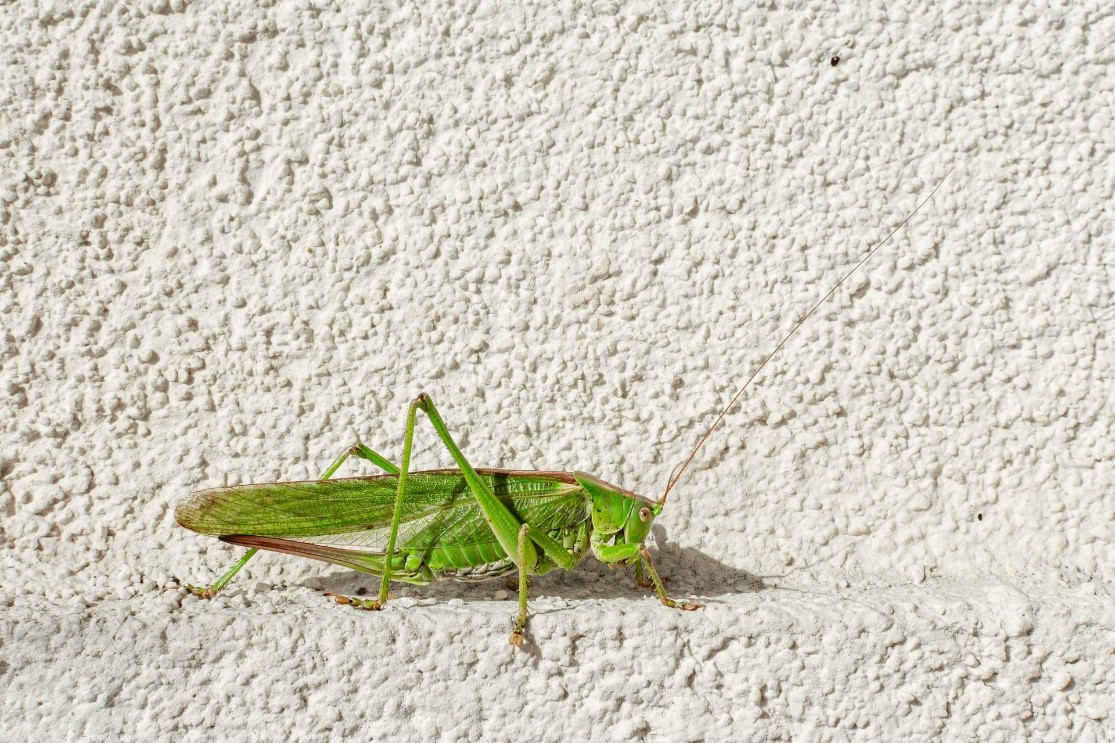
Insects are also rich in amino acids that are often lacking in many commercial fish foods. Carnivorous fish can be fed with crickets, insect larvae, flies, tiny crustaceans, cockroaches, fish eggs, and all types of worms like blackworms, earthworms, and red wigglers. There is however a definite risk of contamination with this method.
4. Black Soldier Flies
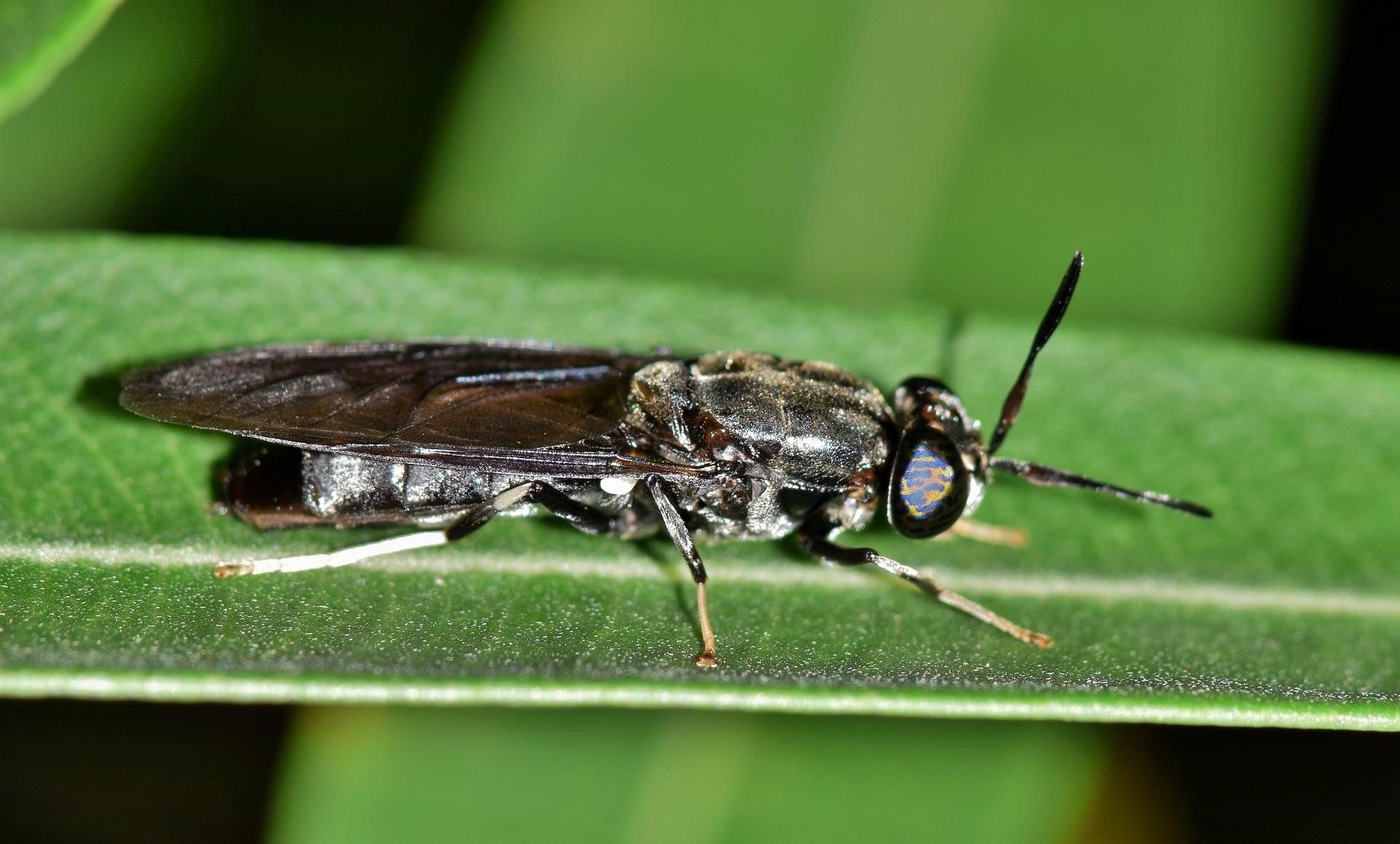
The larvae of black soldier flies are very high in protein and are considered an important source of protein for livestock including fish. The life cycle of this insect makes it an attractive addition to some farming systems in favorable climate conditions.
In culturing black soldier flies, the food waste or manure are placed in a compost unit that has enough drainage and airflow. The larvae are then placed, and when they reach maturity, they are collected and are processed into fish feeds. The adult black soldier flies are not a vector for diseases nor attracted to any human activities. Adult flies simply mate and then return to the compost unit to lay eggs and die after a week.
One advantage of using black soldier flies is that they have been shown to prevent houseflies and blowflies in the facilities they’re in and help decrease the pathogen load in the compost. However, before feeding the larvae to the fish, the larvae should be processed safely by baking in the oven (170°C for 1 hour) to destroy any pathogens, and the resulting dried larvae can be ground and processed as fish feed.
5. Moringa
Moringa oleifera is a species of a tropical tree that is very high in nutrients, protein, and vitamins. The moringa is a valuable homemade alternative fish feed for
aquaponics. Moringa is a fast-growing tropical tree and drought-resistant. All parts of the tree are edible for human consumption, but for aquaculture, the leaves are used to feed the fish. It can be propagated easily through cuttings or seeds, but they are intolerant of frost and could not survive in colder climates. For leaf production, the leaves are harvested and can be fed to the fish fresh or dried.

6. Other Fish Food Alternatives
You can feed your plant-feeder fish with vegetables that can also be grown easily in your aquaponics grow beds such as kale, lettuce, watercress, and fruits like bananas, apples, and grapes.

Keeping track of the fish food that you are feeding your fish is one of the most important routines that you need to do in maintaining your aquaponics system. Since the fish wastes supply the necessary nutrients for your plants, you need to make sure that your fish are fed consistently. It is also important to schedule how often you feed your fish to avoid overfeeding them. Overfeeding can pollute the water in your fish tank and can cause fish diseases. So monitor your tanks regularly and remove uneaten food. Feeding your fish with alternative fish feed can help lower the costs of maintaining your system and ensures that your fish and plants are organic. For this purpose,
it’s a good idea to research what each type of fish being raised by you prefer to eat in their natural habitat.
However, if these fish food alternatives are not available in your location, commercial fish food works well also