Pest Control
Pest Control in Aquaponics
Plant nutrition is the single biggest deterrent against diseases and makes plants more resilient to pest attacks.
It affects a plant’s ability to respond against disease using different mechanisms, including antixenosis (processes to deter colonization by herbivores) or antibiosis (processes to kill or reduce herbivores after landing or during eating). A correct balance of nutrients therefore not only provides optimal growth but also makes plants less susceptible to diseases.
Effect of nutrients on fungal disease prevention
|
Nutrient |
Effect |
|
Nitrogen |
Overfertilization makes more succulent tissues that are more prone to fungal attack. Nitrogen starvation makes stunted plants more prone to attacks from opportunistic micro-organisms. |
|
Potassium |
Accelerates wound healing and reduces the effect of frost damage. Delays maturity and senescence of plants. |
|
Phosphorus |
Improves nutrient balances and accelerates the maturity of the plants. |
|
Calcium |
Reduces the severity of some root and stem fungal diseases. Affects the cell wall composition in plants that resists fungal penetration. |
|
Silicon |
Helps plants to produce specific defence reactions, including the release of phenolic compounds against pathogens |
Insect pests are problematic for plant production because they carry diseases that plants can contract. Pests also extract liquids as they bore into plant tissues, leading to stunted growth.
Controlled environments, such as greenhouses, can be particularly problematic for pests because the enclosed space provides favourable conditions for insects without rain or wind.
As aquaponic units maintain an independent ecosystem, it is normal for a host of micro-organisms and small insects and spiders to exist within the system . However, other harmful insect pests, such as whiteflies, thrips, aphids, leaf miners, cabbage moths and spider mites feed upon and damage the plants.
A common practice for dealing with problematic insect pests in soil vegetable production is to use chemical pesticides or insecticides, but this is impossible in aquaponics.
Besides the fact that aquaponics aims to produce sustainable and organic food, any strong chemical pesticide could be fatal for fish as well as the beneficial bacteria living in system. Therefore, commercial chemical pesticides must never be used
Pest Prevention and Control
There are several ways of preventing pests from entering your aquaponics system without using any harmful pesticides. These are:
- Removal of Pests Manually
One of the easiest pest control methods is physically removing unwanted pests from the plants using your hands or a toothbrush or paintbrush. This can be time-consuming because many pests are well camouflaged and tiny.
- Water Spray
In the wild, elements such as wind, rain, and temperature help control the insect populations. Rain prevents winged insects from flying, and droplets knock them off from the plants. You can use a spray bottle filled with aquaponics water to mimic the rain or use a fan to replicate the wind .A high-pressured stream of water directed at the underside of the leaves on heavily infested leaves of plants helps to avoid and/or to delay the spread of insects to surrounding plant
- Trapping
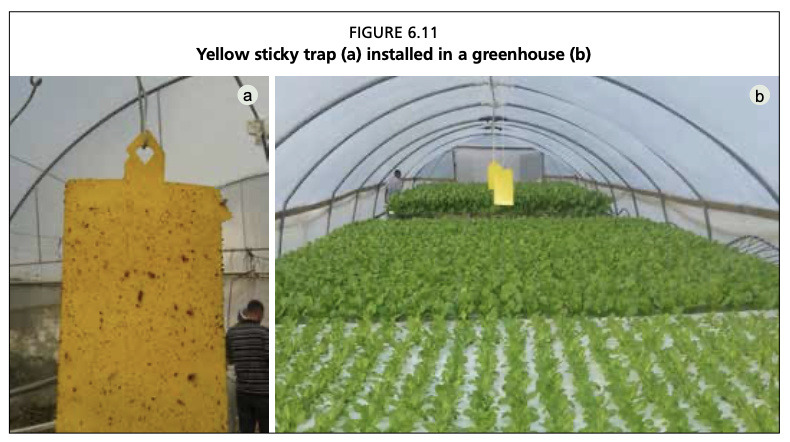
Sticky traps positioned slightly above the canopy of plants are effective in protected environments (e.g. net houses, greenhouses). Blue sticky cards trap adult stages of thrips while yellow sticky cards trap whiteflies and microlepidoptera .

- Environmental management
Maintain optimal light, temperature and humidity conditions, which can be easily changed in protected cultivation, to favour healthier plant growth and to build unfavourable conditions for pests. For example, spider mites do not tolerate wet and humid conditions, so timed misters directed on the plant leaves can deter infestations.
- Companion Planting
Another method of protecting your plants organically from pests is through companion planting. This works by growing sacrificial plants to attract or symbiotic plants to keep away insects through scent or taste. Eg :Fava beans and petunias (flowers) can be used to catch thrips, aphids and mites
- Crop Rotation
Although aquaponic units can be managed as monoculture without facing problems of soil tiredness (depletion of nutrients naturally present in soil), growing the same species continuously over multiple seasons can have a selective effect on the surrounding pests. Thus, a change in crop, even for a short period, may cause a drastic reduction of pests specifically targeting the monoculture crop.
- Beneficial Insects
Using beneficial insects that prey on plant-damaging pests in your aquaponic garden is one of the best organic pest prevention and control methods. Several useful insect varieties can be used in aquaponics.However, successful pest control using this method depends on detailed knowledge of each beneficial insect along with the constant monitoring of pests to time correctly the introduction of beneficial insects
- Ladybugs/Beetles: Ladybugs are one of the most common beneficial insects in any garden and farm. They are a natural predator of pests and eat aphids, smaller beetles, caterpillars, and most insect eggs. Both adults and larvae of ladybugs work wonders in destroying garden pests.
- Green Lacewings: Lacewing larvae eat aphids, caterpillars, mealybugs, thrips, leafhoppers, whitefly larvae, a wide variety of moth eggs, and just about any other soft-bodied pest.
- Tachinid Flies: The larvae of tachinid fly eat caterpillars, cutworms, squash bugs, beetles, earwigs, and grasshoppers. These insects are also known as excellent pollinators because they generally prefer nectar and pollen.
- Spiders: Spiders are great at keeping pests under control. Even a young or smaller spider can do an excellent job in eating up insects that destroy your plants because of their web.
Common Aquaponics Pests and How to Control Them
Aquaponics pests can cause some severe damage to your plants, flowers, and fruits. But to solve this problem, we must identify these pests first. Some common pests found in aquaponics are:
Aphids 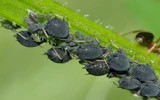
Sometimes called plant lice, aphids are tiny insects that suck the sap from plant leaves, twigs, and stems. While aphids don’t cause significant damage, they spread quickly, damaging crops and spreading diseases.
Aphids feed on plant fluids, damaging leaves and carrying plant diseases with them, and because they reproduce rapidly, they are difficult to expect and control. So it is essential that as soon as you notice them in your aquaponics system, you need to control them immediately.
SYMBIOTIC RELATIONSHIPS
Ants farm aphids, in a similar way to us farming cows. The Ants will defend aphids from attack, and in some cases store aphid eggs in their nests over winter and carry them to a plant once hatched. In return, they “milk” the aphids for honeydew by stroking the aphids bodies with their antennae. This honeydew can lead to mould forming on plants.
Aphides Control Options
1. Remove Physically
This is applicable for minor aphid infestations, where it is possible to physically remove the aphids from the plants. Wear a pair of gardening gloves and brush or pinch the pests from the stems and leaves. You can also prune the affected stalks or branches if the infestation is only contained to a few stalks or branches. Then drop the pruned stalks or branches into soapy water to kill the aphids.
2. Beneficial Insects
Sometimes, using beneficial insects can prevent or control the growth of aphids. Ladybug beetles, hover fly larvae, and green lacewings are well-known beneficial insects. Planting herbs such as garlic, clover, mint, dill, catnip, and oregano in your aquaponics system /greenhouse can help attract these beneficial insects into your garden naturally.
3. Organic Pesticides
Using organic pesticides made from plant extracts that act as insects and pests irritants can also be used to control pests in your aquaponics system. One known organic pesticide is Neem Oil Extract, which is derived from the seed of the neem tree. Neem oil can be used to kill small soft-bodied insects like aphids, mealybugs, mites, thrips, and whiteflies. To use neem oil, just mix two tablespoons per gallon of water.
Mealybugs

Usually found in warmer climates, mealybugs are soft-bodied, wingless insects that often appear as white cottony masses on leaves, stems, and fruits on plants. They feed by inserting their long-sucking mouthparts into plants and drawing sap out of the tissue. When uncontrolled, mealybugs can cause leaf yellowing and curling.
Mealybugs Control Option
- Light mealybug infestations can be controlled by dabbing the insects with alcohol.
SPIDER MITES
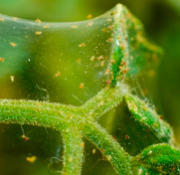
Are tiny, but are known to feed on hundreds of different plant species. Optimum conditions for them to breed are when it is hot and dry. Females can lay up to 20 eggs a day. Infestation is characterised by silk webbing, similar to spider’s webs.
CONTROL options
VENTILATE Ensure your space is well ventilated to encourage air flow. Wash leaves with soapy water or spray with Neem oil.
Other Pests and their effect on the plants
- Grasshoppers, beetles, caterpillars, and slugs chew on plant leaves, stems, and fruits.
- Leaf miners make tunnels on plant tissue.
- Fruit Flies lay eggs on plants tissue.
- Ants carry aphids, eat fruit and plant tissue, and transmit plant disease.
ORGANIC PESTICIDES AND ANTI-FEEDANTS
Plant derivative sprays either kill the pest and are called Pesticides or repel pests so they don’t settle – these are called anti-feedants.
Absolutely no chemical pesticides or fertilisers can be used in aquaponics because they are harmful and could destroy your eco system. Instead problems can be resolved by using organic remedies.
MINERAL OILS
Non-toxic oils control mildew and fungal problems, especially for citrus, fruit and vegetables.
CHELATED IRON
This sometimes needs to be added to aquaponics systems anyway and is especially useful for pest control in outdoor systems.
FATTY ACID/SOAP SPRAY
Manufactured from biodegradable fatty acids such as natural soap, vegetable or coconut oil. This pesticide is easy to make at home, and kills aphids, greenfly/whitefly, mites and thrips. Soap stuns fish, so take care not to get it in the water.
NEEM SEED OIL
Prevents insects from moulting, reduces mobility, inhibits feeding and disrupts eggs, pupae and larvae. Should not get in the water, so should only be used sparingly.
ALLIUM SPRAY
Interplanting Garlic, Chilli, Chive, Mustard and Onions in your aquaponics will most likely help repel fungus and pests. If aphid infestation occurs, you can also use the fruits to make a spray, but use sparingly and be careful not to get this in the tank water.
YOU WILL NEED
- 1 garlic bulb (most members of the Allium family repel insects)
- 2 hot chilli peppers (If unavailable try 1-2 spoon hot chilli powder or crushed chillies)
- 1 tablespoon vegetable oil (this suffocates the insects, but can also clog leaf pores)
- A couple of squirts of vegetarian washing up liquid (optional as soap can stun fish)
- Dilute with water
METHOD
- Chop the garlic and chilli finely or mix using a blender.
- Transfer into a saucepan and add the other ingredients, heat gently whilst slowly adding the water.
- Leave to cool and strain the contents through muslin cloth into a clearly labeled spray bottle.
- Spray to infested areas, making sure to search deep into plant nooks and underside of leaves.
Be careful: Only apply as a foilar spray. Avoid getting the mixture in the water because the chilli could harm the fishes eyes, and the soap could stun your fish.